
Signs Your AC Can’t Keep Up With the Texas Heat
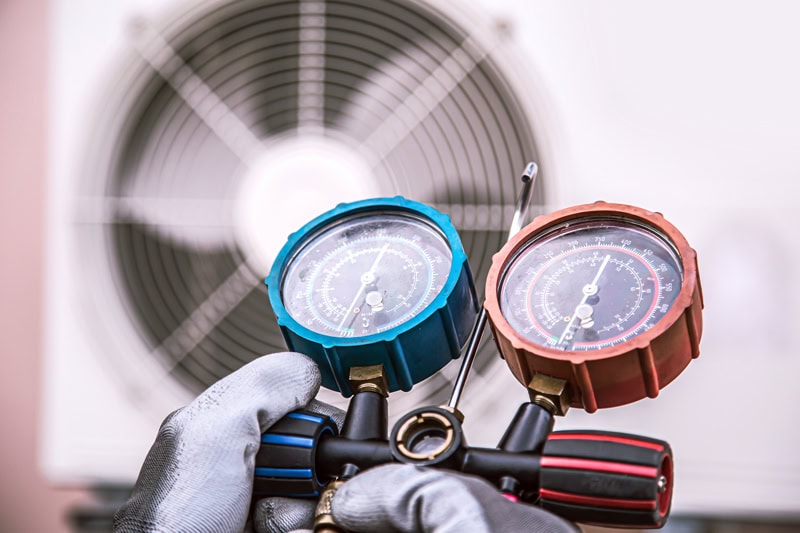
When your central air conditioning struggles in the heat, you do too. If your AC can’t keep up, especially during extreme Texas heat, it’s a sign your system may be struggling to do its job.
You feel hot, sticky, and exhausted, and you notice your thermostat, set to 72, hasn’t budged from 78°. Try as hard as you might to ignore the signs, you get that sinking feeling your AC is losing the battle against the heat in Spring, TX.
At Milton Frank Plumbing & Cooling, we encourage our customers to look for signs that their AC is in distress well before they physically feel the effects of a unit falling into disrepair. It’s possible to prevent breakdowns by staying vigilant and scheduling a diagnosis and repair with Milton Brothers as soon as possible.
As local experts with years of experience in maintaining, repairing, and installing HVAC systems, we’ve seen all the signs of AC units in distress, from minor repair issues to mechanical systems at the brink of failure. Here is how to tell if your system needs help.
Why Your AC Is Struggling in Greater Houston
When the heat index hits triple digits, your AC has to work twice as hard to remove heat from your home. If the system has even a minor flaw, it will struggle. Here are the primary reasons systems fail to keep up:
Dirty Filters and AC Coils
Restricted airflow is the most common reason your AC is faltering. The air feels weak as it exits the supply vents or is room temperature rather than cold.
The easiest fix is replacing the dirty air filter. If your system uses a standard, one-inch filter, be sure to replace it at least every three months—more often if you have pets or someone in your household has allergies. Follow the manufacturer’s recommendations on replacement frequency for high-efficiency filters.
The outdoor condenser coil and indoor evaporator coil need cleaning if they are coated in pollen and dust. We recommend cleaning your system’s coils during a spring tune-up. One of our Milton Brothers technicians can remove debris from the coils and inspect other components.
Refrigerant Leaks
The refrigerant in your AC circulates in a closed loop. If levels are low, there is a leak in the system.
Faint hissing or bubbling sounds or ice forming on the copper lines can also point to a leak. Running a system that is low on refrigerant can severely damage the compressor, leading to a much more expensive repair.
Undersized System
Sometimes, the issue isn’t a broken part; it’s the wrong-sized equipment. If you remodel or add to your home, an older AC may no longer be powerful enough to handle the increased square footage. You will know it is struggling because the air conditioning system will run constantly without reaching the set temperature, while increasing your electricity bills.
Leaky Ductwork
Your AC works harder to replace conditioned air lost through cracks and holes in air ducts in attics and basements. Sealing and insulating ductwork can improve HVAC efficiency by as much as 20 percent.
AC Repair or Replacement in Spring, TX
At Milton Frank, we use a combination of factors—the 50 percent rule, SEER2 ratings, and equipment age—to help you decide whether to repair or replace a struggling system.
The 50 Percent Rule
If a repair costs more than half the price of a new high-efficiency system, it’s time to replace.
SEER2 Ratings
The Seasonal Energy Efficiency Ratio 2 (SEER2) measures the cooling efficiency of air conditioning systems. The higher the SEER 2 rating, the more efficient the system is. A more efficient system not only cools your Harris County home but also dehumidifies it, improving comfort.
Equipment Age
Central air conditioning typically lasts between 10 and 15 years. Your unit is likely on its last legs if your equipment needs frequent repairs and is nearing the end of its lifespan. A new unit would be significantly more efficient than an aging system, paying for itself in energy savings over a few years.
Are AC Tune-Ups Worth It?
At Milton Frank, we recommend annual maintenance for all HVAC systems. A spring tune-up is an absolute necessity for AC units in Texas because our cooling season stretches from March through October, much longer than in northern states. Our AC systems typically run around the clock from late spring through early fall.
You want to be sure your air conditioning system is prepped for constant use during a long cooling season. If your AC were a car, you’d check under the hood, kick the tires, and make sure it had enough gas for an eight-month journey. Maintenance will help your air conditioning system make its own seasonal journey without breaking down.
AC Tune-Up Checklist
During a Milton Frank professional AC tune-up, we inspect, clean, and test your system’s readiness:
- Condensate Line: High humidity leads to increased water drainage. We clear out sludge that leads to backups and ceiling leaks.
- Electrical Connections: We tighten loose connections and inspect the electrical system for hazards.
- Coils: We wash away the dirt, allowing your system to exhaust heat outside more efficiently.
- Refrigerant: We ensure the system has the correct amount of refrigerant and is not leaking.
- Moving parts: We inspect all major components and lubricate moving parts.
Homeowners who maintain their systems typically see lower utility bills and a significantly longer equipment lifespan.
Give Your AC Some TLC Today!
The cooling season is here in Spring, TX. Let Milton Frank Plumbing & Cooling keep your AC unit from struggling and ensure it operates without a glitch from spring through fall this year. Schedule a tune-up and gain peace of mind. Our team is committed to providing the best solutions for your cooling needs, including prompt system repairs and installations. Call us at Milton Frank Plumbing & Cooling or request service online.