
How to Flush Your Water Heater and Extend Its Lifespan
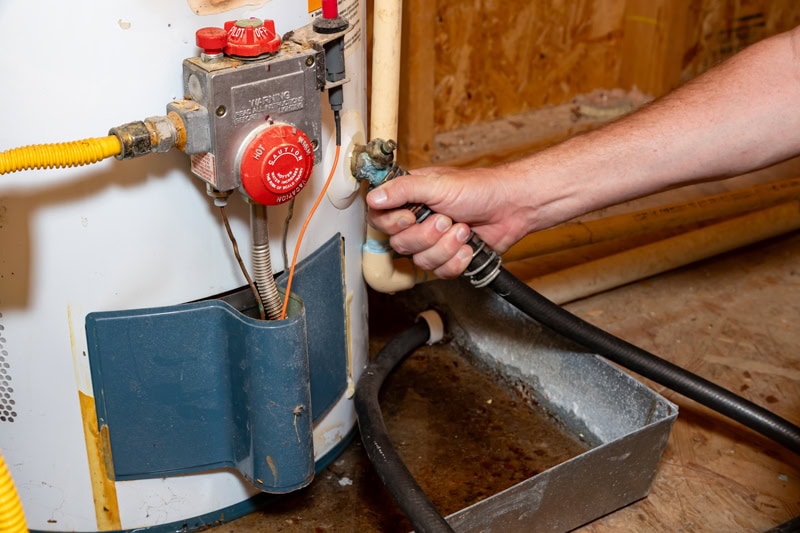
Sediment quietly accumulates in water heaters, reducing efficiency, shortening lifespan, and causing inconsistent hot water—especially in hard‑water areas like Greater Houston. Flushing the tank removes buildup, improves heating performance, restores capacity, and helps prevent costly repairs.
A lot of homeowners assume a newer water heater is basically maintenance‑free; set it, forget it, and enjoy the hot showers. But even fresh‑off‑the-install water heaters can fall victim to sediment accumulation from your water supply. Over time, that buildup can make your heater work harder, heat less efficiently, and age faster than it should.
The good news is that a simple flush keeps things running smoothly and protects your investment. Flushing removes sediment and mineral buildup from inside the tank, helping the system heat water more efficiently and reducing unnecessary wear.
For homeowners in the Spring and Greater Houston area, this maintenance can be especially important. Hard water and mineral deposits can shorten service life. Milton Frank Plumbing & Cooling has served local homeowners for over 40 years with water heater installation, replacement, repair, and maintenance services.
What Is a Water Heater Flush?
A water heater flush is the process of draining water from a tank-style water heater to remove accumulated sediment, minerals, and other debris from the bottom of the tank.
As water sits in a tank, minerals can settle at the bottom. Over time, that sediment can form a layer between the burner or heating element and the water. The heater may then have to work harder to heat the same amount of water. This extended wear can damage water heater components and cause replacement ahead of normal service schedules.
Regular flushing can help keep the tank cleaner and also support more consistent performance. Milton Frank Plumbing & Cooling recommends annual professional maintenance to help prevent unexpected repairs or replacement.
Do I Have to Flush My Water Heater?
You should consider flushing a traditional tank water heater as part of routine maintenance, particularly if your home has hard water or you notice signs of sediment buildup.
How often a water heater needs to be flushed depends on factors such as the type and age of the equipment, water quality, household usage, and the manufacturer’s maintenance recommendations.
A water heater that has never been maintained may require more careful evaluation. If substantial sediment has accumulated, simply opening the drain valve isn’t always the best approach. A professional plumber can determine whether flushing is appropriate and inspect the system for other signs of wear at the same time.
It is also important to distinguish between tank-style and tankless water heaters. Tankless systems don’t store a large volume of water in a tank, but they can still require descaling and other maintenance depending on water conditions and the manufacturer’s recommendations.
Milton Frank Plumbing & Cooling services multiple types of water heaters, including tankless and hybrid systems.
Why Should You Flush Your Water Heater?
A water heater flush is more than just a cleaning task. Removing sediment can support several aspects of water heater performance.
1. Flushing Your Water Heater Helps Reduce Sediment Buildup
Minerals naturally present in water can settle inside a storage tank. Flushing helps remove that material before it becomes a larger maintenance problem.
2. A Water Heater Flush Can Improve Heating Efficiency
A thick layer of sediment can interfere with heat transfer. Removing buildup allows the heating system to operate without that additional layer of debris.
3. Flushing Your Water Heater May Help Extend Water Heater Lifespan
Routine maintenance can help identify problems before they become major failures. Keeping sediment under control is one way to reduce unnecessary stress on a tank and its heating components.
4. A Water Heater Flush Can Help Maintain Consistent Hot Water
Sediment takes up space inside the tank. Heavy buildup can reduce usable capacity and contribute to inconsistent hot-water performance. Milton Frank has also noted that sediment can reduce water heater capacity and make a system more likely to run out of hot water.
5. Water Heater Maintenance Gives You an Opportunity to Check the System
Water heater maintenance shouldn’t be limited to draining the tank. A professional inspection can uncover corrosion, leaks, worn components, or other developing problems that may eventually affect performance.
How Do You Flush a Water Heater?
If you’re comfortable performing basic home maintenance and have a traditional tank-style water heater, the general process looks like this. Always follow the water heater manufacturer’s instructions first.
Step 1: Turn Off the Energy Supply
For an electric water heater, turn off the power to the unit at the appropriate circuit breaker.
For a gas water heater, follow the manufacturer’s instructions for turning the gas control or burner to the appropriate setting.
Never attempt to drain a water heater while its heating system is actively operating.
Step 2: Allow the Water to Cool
Water inside a water heater can be extremely hot. Give the tank adequate time to cool before attempting to drain it. This is an important safety step because hot water released through the drain can cause serious burns.
Step 3: Shut Off the Cold-Water Supply
Locate the cold-water supply valve above the water heater and close it. This stops additional water from entering the tank while you drain it.
Step 4: Connect a Garden Hose
Attach a garden hose securely to the drain valve near the bottom of the tank.
Place the other end somewhere that can safely handle the discharged water. Depending on the location of your water heater, this may require careful routing to an appropriate drain or outdoor location.
Step 5: Open a Hot-Water Faucet
Opening a hot-water faucet in the home can help relieve pressure and allow air into the plumbing system as the tank drains.
Step 6: Open the Drain Valve
Open the tank’s drain valve and allow the water to flow through the hose. The initial water may contain sediment or appear discolored. Never handle or redirect hot discharge water without taking appropriate precautions.
Step 7: Flush the Tank
Once the tank has drained, briefly open the cold-water supply to allow fresh water to enter the tank and push additional sediment out through the drain hose.
Continue until the water coming from the drain runs relatively clear. Shut off the cold-water supply and allow any remaining water inside the tank to drain.
Step 8: Close Everything and Refill the Tank
Close the drain valve and remove the hose only after confirming the tank has finished draining.
Reopen the cold-water supply. Keep the hot-water faucet on to allow any air in your plumbing line or water heater tank to escape. Keep it open until water flows steadily (this is a sign your water tank is now full).
Step 9: Restore Power
Do not restore power to an electric water heater until the tank is full (about 10–20 minutes after the water line is reopened and no sputtering at your hot water faucet). Energizing an electric heating element without adequate water coverage can damage the element. For gas equipment, follow the manufacturer’s instructions for safely returning the unit to normal operation.
When Should You Call a Professional for Water Heater Service?
A water heater flush isn’t necessarily a good DIY project for every homeowner. You should consider professional water heater service if:
- You aren’t sure whether your water heater is gas or electric.
- The equipment is old or has not been maintained regularly.
- The drain valve is stuck, damaged, or leaking.
- The tank won’t drain properly.
- You see water around the base of the tank.
- The water is rusty or unusually discolored.
- Your hot water runs out faster than it used to.
- You hear popping, rumbling, or other unusual noises.
- The water heater has significant corrosion.
- You’re uncomfortable working around gas, electricity, or very hot water.
- You want the entire system inspected rather than simply drained.
A water heater flush also isn’t a substitute for professional repair. If the tank itself is leaking, for example, flushing won’t repair it.
Can Flushing a Water Heater Fix Low Hot Water?
Sometimes, but not always.
Sediment buildup can reduce the effective capacity of a storage water heater and interfere with efficient heating. Flushing may help if sediment is contributing to the problem.
However, low hot-water availability can have many causes, including an undersized water heater, failing heating components, thermostat problems, plumbing issues, or an aging system.
That’s why proper diagnosis matters.
Milton Frank Plumbing & Cooling provides water heater repairs, replacements, installations, and maintenance rather than simply treating every hot-water problem as a flushing issue.
How Often Should You Flush a Water Heater?
There isn’t a universal flushing schedule that works for every household, but flushing at least once per year is commonly recommended.
Water quality, equipment type, manufacturer recommendations, household demand, and the amount of sediment accumulating in the tank all matter.
If your home has hard water, sediment may accumulate more quickly and require biannual flushing to keep your water heater working strong. Milton Frank’s experience serving the Greater Houston area includes addressing local hard-water concerns and maintaining residential plumbing systems.
If you’re unsure when your water heater was last serviced, that’s a good reason to schedule an inspection rather than waiting for a problem.
What If My Water Heater Has Never Been Flushed?
Don’t assume that a neglected water heater should automatically be flushed without a professional’s inspection.
An older tank with substantial sediment buildup, corrosion, or an existing leak may require a different approach. Opening a drain valve on an older system can also reveal problems that weren’t obvious beforehand.
A professional Milton Frank plumber can evaluate the condition of the water heater and determine whether a flush, repair, maintenance service, or replacement makes the most sense.
Water Heater Maintenance Is About More Than Flushing
Flushing is one part of a larger water heater maintenance strategy.
Depending on your system, professional maintenance may include checking connections, inspecting components, looking for leaks or corrosion, and evaluating overall operation. Different water heater technologies also have different maintenance requirements.
The goal isn’t to perform maintenance simply because a calendar says it’s time. The goal is to keep your equipment operating safely and efficiently while identifying problems before they turn into inconvenient or expensive failures.
Milton Frank Plumbing & Cooling offers water heater maintenance, as well as ongoing plumbing and HVAC maintenance.
When a Water Heater Flush Is Better Left to the Pros
If you’re wondering, “Do I have to flush my water heater myself?” the answer is no.
A water heater contains hot water, pressurized plumbing connections, and, depending on the model, gas or high-voltage electrical components. If you aren’t confident working on the equipment, professional service is the safer and more convenient option.
That’s especially true when you don’t know the age or condition of your water heater.
Milton Frank Plumbing & Cooling has been family-owned and operated since 1984 and serves homeowners throughout Spring and the surrounding Greater Houston communities. Our team provides water heater repairs, replacements, installations, and maintenance, with licensed and trained technicians who work on all types of plumbing systems throughout the area.
Keep Your Water Heater Working Its Best
A water heater flush can be a relatively simple maintenance task, but it plays an important role in protecting a tank-style water heater from the effects of sediment buildup. Regular maintenance can help support efficient operation, consistent hot water, and a longer service life.
If your water heater is overdue for maintenance—or you’re seeing signs of sediment, corrosion, leaks, or inconsistent hot water—it’s worth having the system evaluated before a small problem becomes a cold shower or an emergency replacement.
Need professional water heater service in Spring or the surrounding Greater Houston area? Milton Frank Plumbing & Cooling can help with water heater maintenance, repairs, installation, and replacement. Our company provides plumbing services throughout Spring, The Woodlands, Tomball, Conroe, Magnolia, and other nearby communities.
Call 281-645-9596 or request service online to schedule an appointment with the water heater experts at Milton Frank Plumbing & Cooling.